Multi-Agent Workflows: When One Operator Isn't Enough
Marcus Reid
Senior Solutions Architect
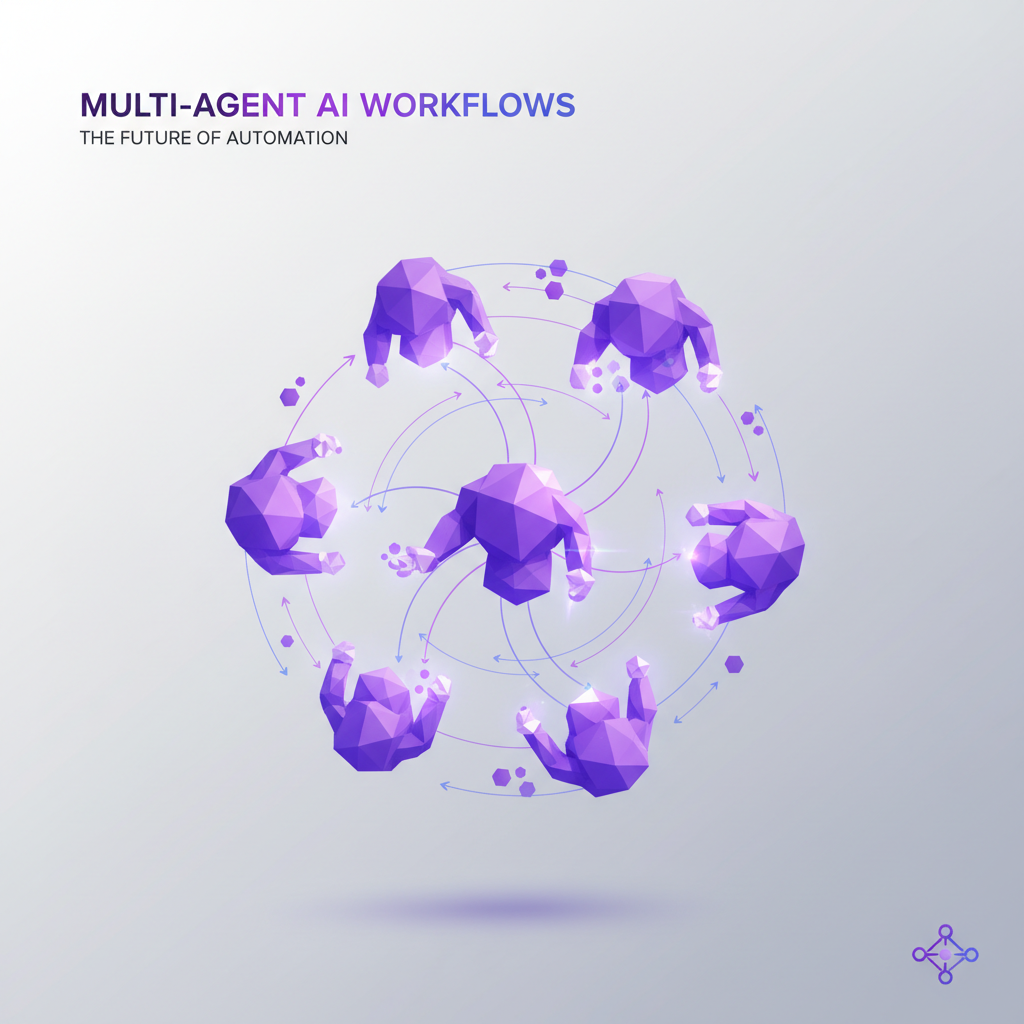
Beyond Single Agents
A single AI employee is powerful. A team of operators working together is transformative. Multi-agent workflows represent the next evolution in business automation.
How Multi-Agent Workflows Work
Think of it like a relay race. Each operator has a specialty, and they pass the baton seamlessly:
Lead Scout identifies and qualifies inbound leads
Outreach Specialist crafts and sends personalized messages
Meeting Coordinator handles scheduling and prep
Deal Tracker monitors pipeline and flags risks
Each agent operates independently but shares context through a unified memory layer.
The Handoff Protocol
When Agent A completes its task and needs Agent B to continue:
Context Package
The handing-off agent creates a context package containing:
What was accomplished
Key data points discovered
Recommended next actions
Priority level and deadline
Seamless Transfer
The receiving agent picks up exactly where the last one left off. No information loss. No re-processing. No delays.
Architecture Patterns
Sequential Pipeline
A to B to C to D. Best for linear processes like lead-to-close.
Hub and Spoke
One central coordinator delegates to specialists. Best for complex operations with many parallel tasks.
Mesh Network
All agents can communicate with any other agent. Best for dynamic, unpredictable workflows.
Real-World Example: Full-Cycle Sales
Agent 1. Scout:
Monitors website visitors, enriches with company data, scores against ICP, and passes qualified leads to Outreach.
Agent 2. Outreach:
Receives qualified leads, researches the prospect, drafts personalized email sequences, and handles responses until a meeting is booked.
Agent 3. Meeting Prep:
Once a meeting is booked, compiles a briefing document with company research, mutual connections, potential pain points, and talking points.
Agent 4. Follow-Up:
After the meeting, sends thank-you notes, handles next steps, updates CRM, and tracks deal progress.
Getting Started
Map your end-to-end process from trigger to completion
Identify natural handoff points where the task changes nature
Deploy one agent at a time, starting from the beginning of the process
Connect agents incrementally as each one reaches stable performance
The power of multi-agent workflows isn't just efficiency. It's the ability to run entire business processes autonomously, from first touch to final delivery.