No-Shows Are a Choice: Turning Reminders Into Revenue
Bidemi Afrolabi
Small Business Columnist

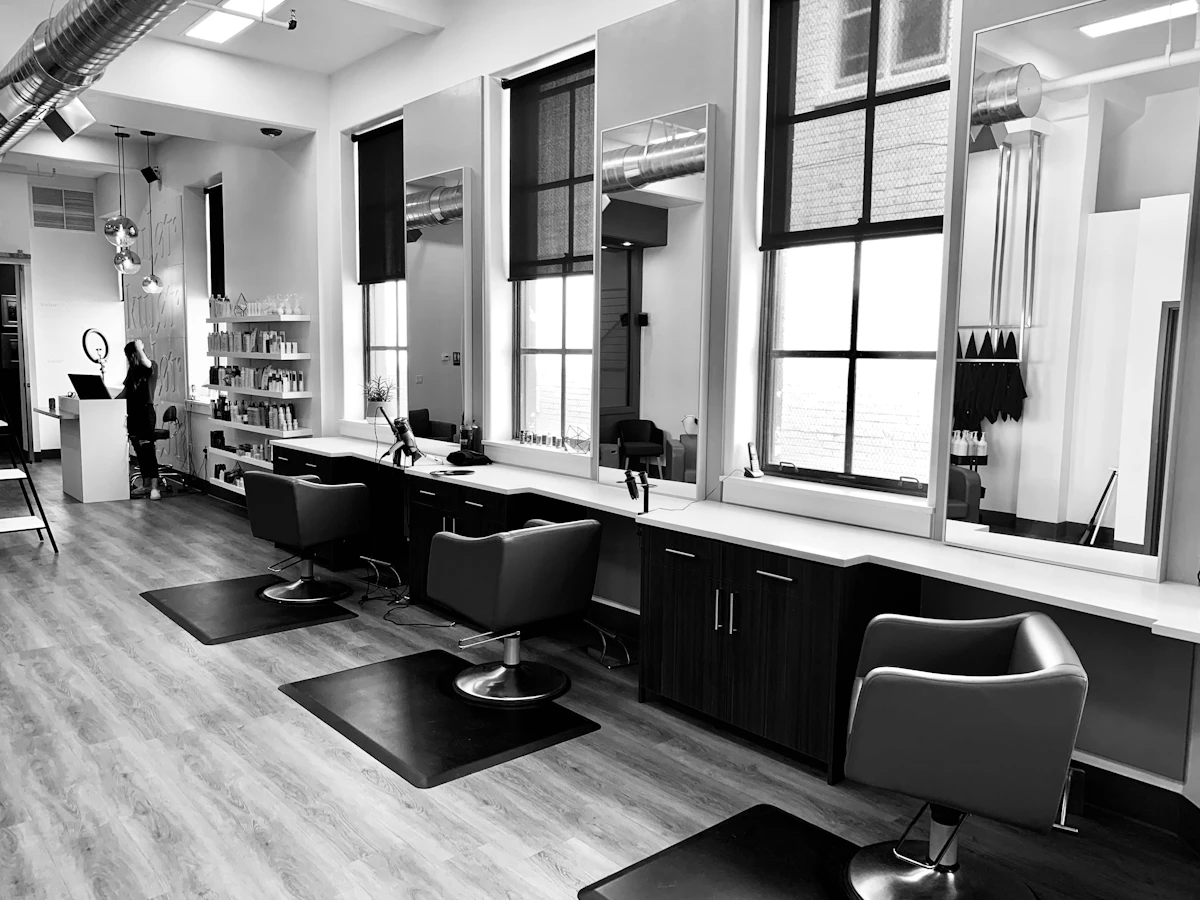
The empty chair is costing you a fortune
Every no-show is a small disaster you have learned to shrug off. The chair sits empty, the slot cannot be resold at short notice, and the income for that hour simply evaporates. Because it happens a bit at a time, owners treat it as weather: unfortunate, unavoidable, just part of the business.
It is not weather. It is a leak, and it is bigger than almost anyone realises.
Across appointment-based businesses, no-show rates commonly sit between ten and twenty percent. For a clinic, a salon, or a studio running a full book, that can mean one in every six or seven slots paying nothing. Put a price on those empty chairs over a year and it is rarely less than five figures.
The encouraging part is that most no-shows are not customers who changed their mind. They are customers who forgot. And forgetting is the most solvable problem there is.
Why people miss appointments
If you assume no-shows are people who do not care, you will fix the wrong thing. The real reasons are mundane and human.
They genuinely forgot. The appointment was booked three weeks ago, life happened, and it fell out of their head. No reminder, no prompt, no show.
They meant to cancel and felt awkward. Plenty of people skip rather than make the slightly uncomfortable call to cancel. Give them an easy way out and they take it, freeing the slot.
Plans changed and rebooking felt like effort. If moving the appointment means ringing during your busy hours, they just do not bother.
The booking never felt real. A slot taken quickly online, with no confirmation and no follow-up, never lodged as a commitment.
Notice that none of these is "this customer is bad". Every one of them is a gap in the communication around the booking, and every gap can be closed.
The reminder is not admin. It is revenue.
Here is the mental shift that changes everything. Most owners file reminders under "nice to have admin". In reality, a good reminder system is one of the highest-return things a small business can run.
A reminder is not a courtesy. It is the cheapest revenue you will ever generate, because it does not win a new customer. It saves one you already earned.
Think about the cost of acquiring the booking in the first place: the marketing, the answered enquiry, the time. A reminder protects all of that investment for the price of a text message. The return on that is enormous, and yet it is the piece most businesses leave to chance.
What a reminder system that actually works looks like
A single text the morning of the appointment helps, but it is the weakest version. The systems that genuinely move the number do more.
A confirmation the moment they book, so the appointment feels real from the start.
A reminder a day or two out, with the time, the place, and a one-tap way to confirm, move, or cancel.
An easy cancel path, because a slot freed two days ahead can be resold. A slot lost in silence cannot.
An automatic offer of the freed slot to your waiting list or recent enquiries, turning a cancellation into a fresh booking instead of an empty chair.
A gentle nudge to rebook for the ones who do slip, so a single miss does not become a lost customer.
The difference between a basic reminder and a full lifecycle around the appointment is the difference between trimming no-shows and nearly eliminating them.
The quiet second win: filling the gaps
There is a benefit owners rarely anticipate. When cancellations come in early because you made cancelling easy, you get the chance to refill the slot. A waiting list that gets pinged automatically, or a recent enquirer offered the suddenly free time, turns what would have been a dead hour into a paid one.
So a good system attacks the problem from both ends. It stops most no-shows from happening, and it rescues revenue from the ones that do. The empty chair becomes rare, and when it threatens to appear, something quietly fills it before you even notice.
Make it run itself
The reason most businesses do not have a great reminder system is not that they do not believe in it. It is that doing it by hand, texting every customer, chasing every confirmation, offering every freed slot, is yet another job nobody has time for. So it gets done patchily, or not at all.
The fix is to make it automatic.
Confirm at booking, every time. Make the appointment feel real the second it is made.
Remind on a sequence, not a single text. One confirmation, one reminder, one easy cancel link, all sent without you touching anything.
Refill freed slots automatically. Let the system offer cancellations to your waiting list so the gap closes itself.
Do this and the empty chair stops being a fact of life. No-shows are not bad luck and they are not bad customers. They are forgotten appointments, awkward cancellations, and bookings that never felt real, and every one of those is a choice you can make differently. Turn your reminders into a system, and watch the chairs fill back up.