WhatsApp Is the New Front Desk
Bidemi Afrolabi
Small Business Columnist

Your customers already moved. Your business has not.
Look at how your customers talk to everyone else in their life. Their family, their friends, their delivery driver, their kid's school. It is almost all messaging, and in most of the world that means WhatsApp. Over two billion people use it, and for a huge number of them it is the default way to reach anyone.
Now look at how they are forced to talk to your business. A phone number that rings out. A contact form that vanishes into an inbox. An email that gets a reply in two days, if at all. You are asking people to use channels they have quietly abandoned everywhere else.
The front desk did not disappear. It moved into the messaging app, and the businesses that meet customers there are winning the bookings that everyone else is still waiting on by email.
Why messaging beats the call for most enquiries
The phone is wonderful for urgency and reassurance. But for the everyday enquiry, "are you open Saturday", "how much for a colour", "can I move my appointment", messaging is simply better for both sides.
It is asynchronous. The customer fires off a question while waiting for a bus and reads the answer whenever suits. Nobody has to be free at the same second.
It leaves a record. The address, the price, the booking time are all there in the thread, not half-remembered from a phone call.
It removes the friction of the call. Plenty of people will happily message a business but feel awkward ringing it. You are not just serving them faster, you are reaching people who would never have phoned at all.
It carries everything. A photo of the broken tap, a screenshot of the rash, a picture of the room to be painted. Customers can show you, not just tell you.
For the majority of first contacts, the question is no longer "will they call". It is "will you be there when they message".
The problem messaging creates, and how to solve it
Here is the catch every owner hits. Once you open WhatsApp as a channel, the messages come in all day, scattered between two and ten at night, during your busiest hours, while you are with a customer. A channel customers love can quickly become a channel you cannot keep up with.
This is exactly where an intelligent front desk changes the game. Instead of you personally typing every reply, the messaging channel is answered by something that knows your business and can actually do the work.
A messaging channel without a system behind it is just a faster way to disappoint people. The point is not to be reachable on WhatsApp. It is to be genuinely responsive on WhatsApp, even when you are flat out.
A modern setup means an enquiry on WhatsApp can be answered in seconds, around the clock, with the right price, the right opening hours, and a real booking confirmed in the chat, while the genuinely tricky messages are flagged for you to handle personally.
What a well-run messaging front desk does
When messaging is treated as a real front desk rather than a side inbox, a single channel can carry a surprising amount of your business.
Answers the FAQs instantly. Prices, hours, location, parking, what to bring. The questions you answer fifty times a week get handled without you lifting a finger.
Takes the booking in the thread. Checks real availability, confirms a slot, and sends the confirmation, all inside the conversation the customer started.
Follows up automatically. A reminder the day before, a gentle nudge if someone went quiet mid-booking, a thank you after the visit.
Knows when to step back. A complaint, an unusual request, or anything sensitive gets routed straight to a human with the full context attached.
The customer experiences a business that is simply always there. You experience a front desk that handles the routine and only interrupts you for the things that genuinely need you.
A real exchange, start to finish
A potential customer messages a salon at 8:40 on a Tuesday evening. "Hi, do you have anything for a cut and colour this Saturday?"
Within seconds: "Hi! Yes, we have 10am and 2pm free on Saturday for a cut and colour. Which suits you better?"
"2pm please."
"Perfect, you are booked for Saturday at 2pm. Can I take a name and number so we can send a reminder?"
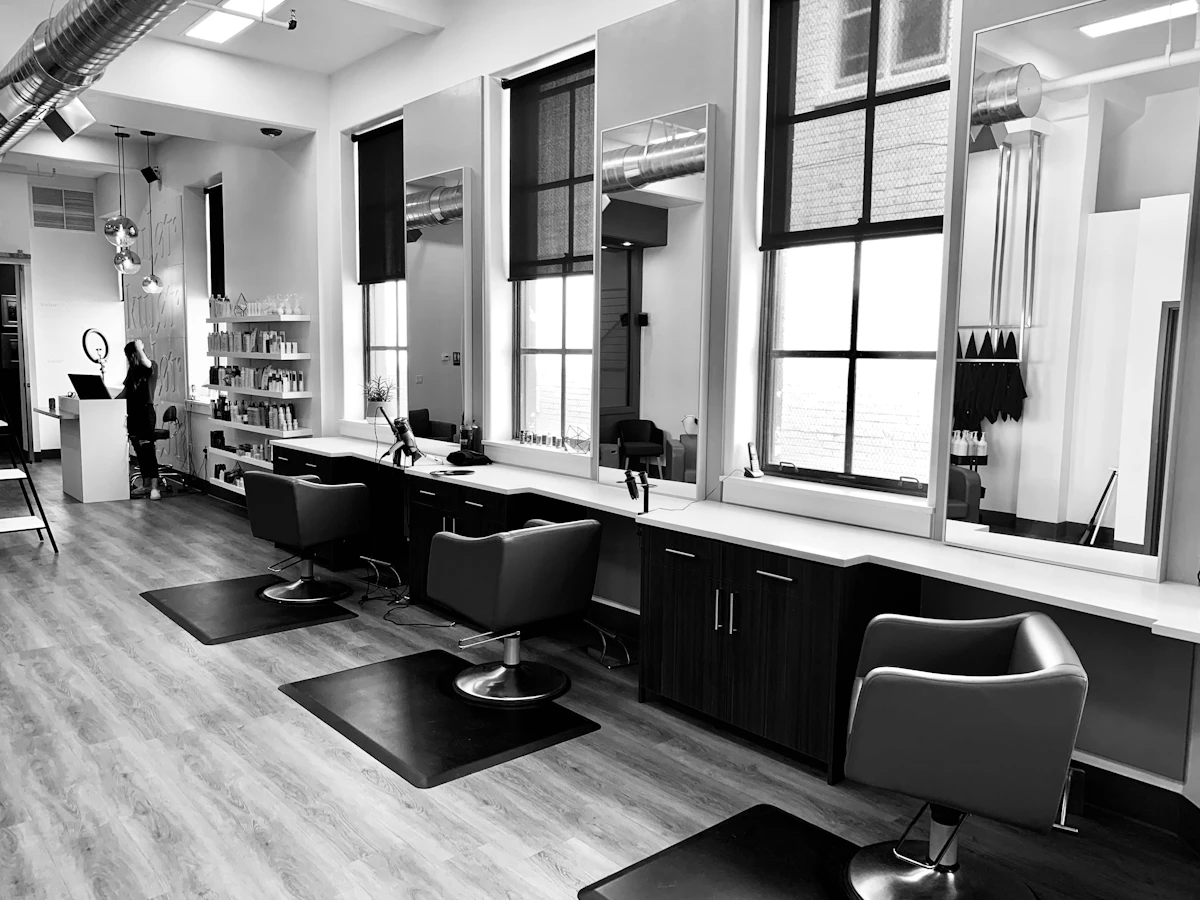
Two minutes later there is a confirmed booking, a reminder scheduled, and the customer has gone to bed feeling sorted. The salon owner was at home with her feet up. She finds out the next morning from a tidy summary. No call rang out. No email sat unread. No customer drifted to the salon down the road.
Getting started without getting overwhelmed
You do not need to rebuild your business around an app. You need to treat the channel customers already prefer as a real front desk.
Make the number visible. Put your WhatsApp on your website, your Google profile, your window, and your receipts. The easiest channel should be the most obvious one.
Decide what gets answered instantly. Prices, hours, and bookings are the high-volume questions. Get those handled automatically and you have covered most of the load.
Keep the human in the loop for the hard parts. The goal is not to remove yourself. It is to remove yourself from the repetitive, so you are fresh for the conversations that matter.
The phone is not dead, and email still has its place. But the front desk has moved into the chat, and your customers are already standing at it. The only question is whether anyone is there to greet them.